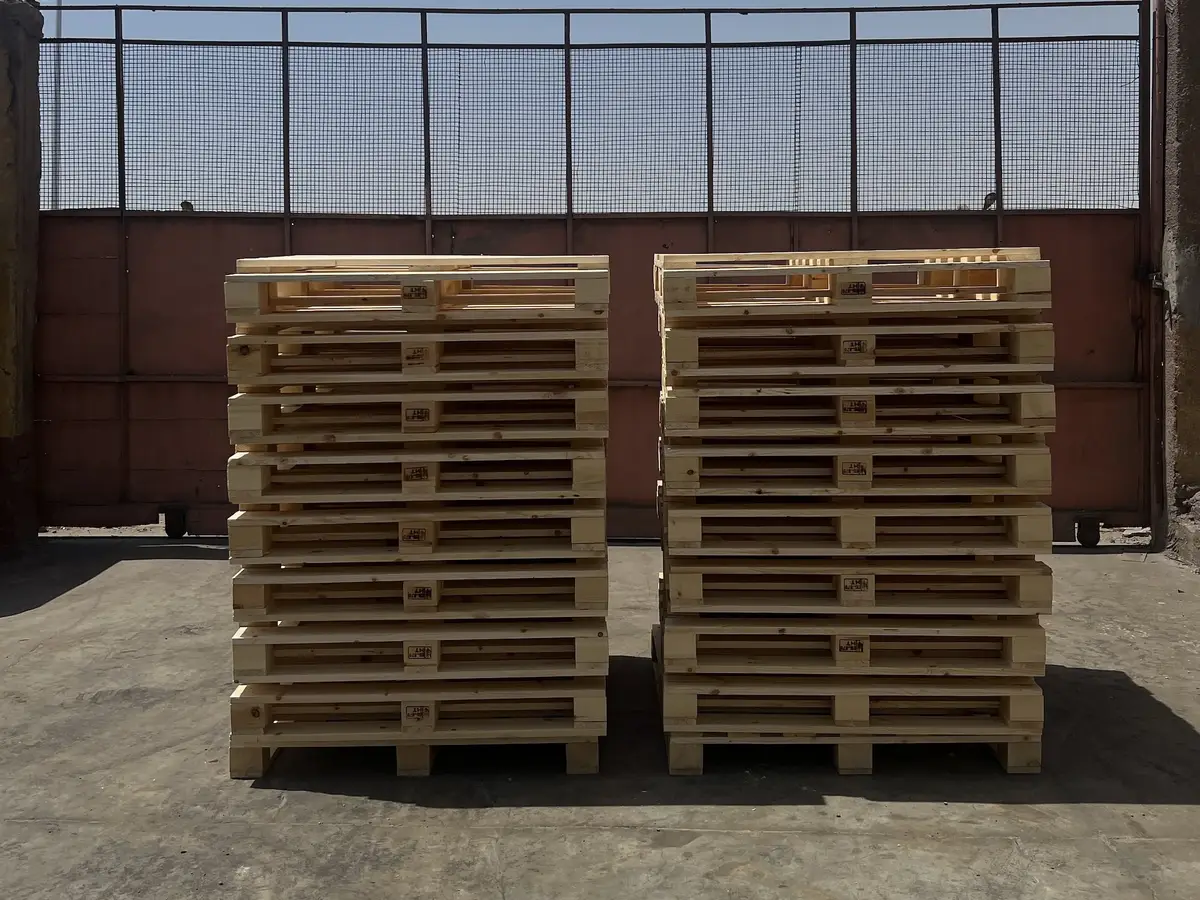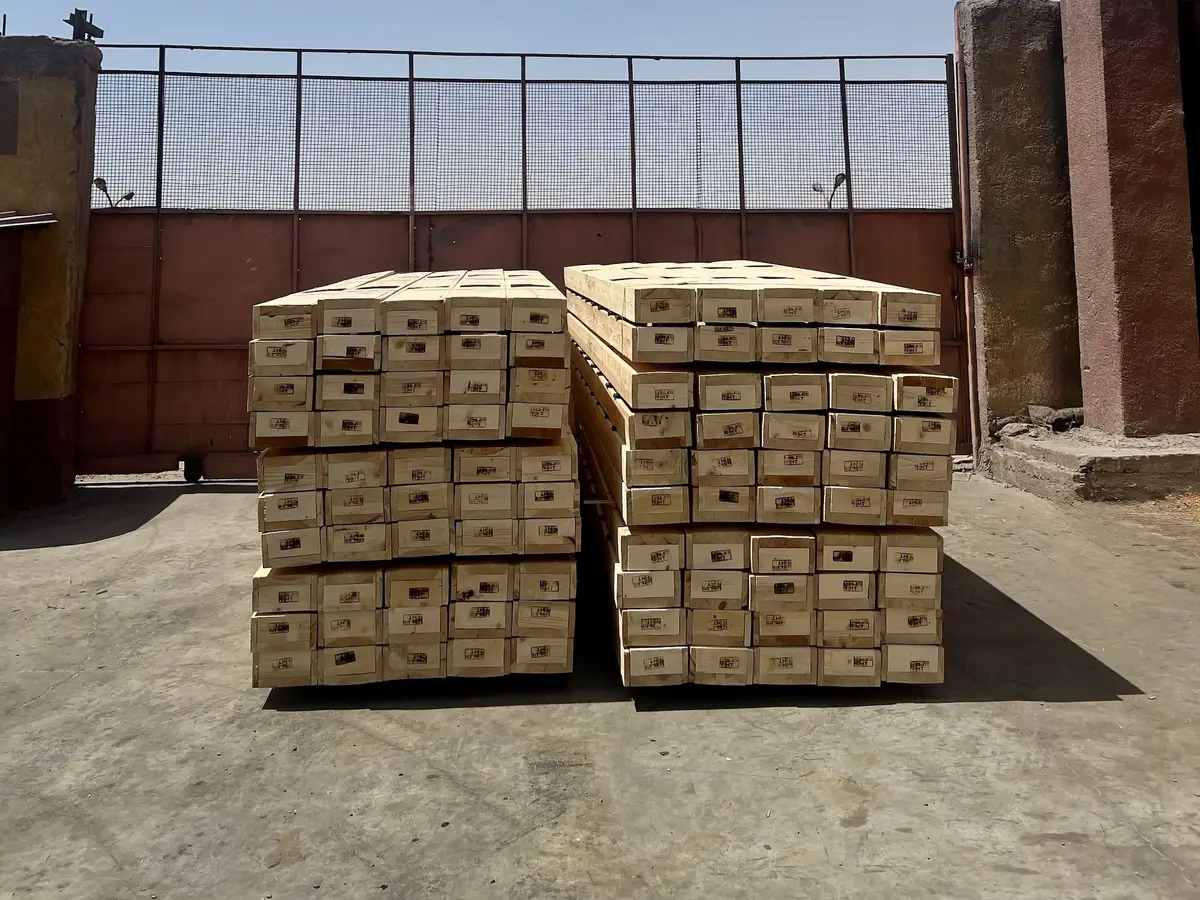
Compressed wood is not wood in the traditional sense — it is an advanced engineered product manufactured by compressing sawdust with high-performance adhesives. The result? A material that is denser and more uniform than natural wood.
What Exactly is Compressed Wood?
Also colloquially known as "compressed wood blocks" or "sawdust blocks". It is manufactured simply by mixing sawdust with strong adhesives, then pressing it into specific molds under high heat. The final result is solid blocks with a uniform and controlled density.
Its Uses in Pallet Manufacturing
Compressed wood is primarily used to make the blocks in block pallets. These parts are the backbone of the pallet because they bear the loads directly.
Advantages of Compressed Wood Over Natural Wood
1. Uniform Density
In natural wood, density varies from piece to piece depending on the grain and growth patterns. Compressed wood provides a predetermined density in every piece — ensuring consistent performance across the entire production batch.
2. Higher Moisture Resistance
The pressure and adhesives used in manufacturing make it less absorbent to moisture, thereby extending the life of the pallet in open or humid warehouse environments.
3. Automatic Exemption from ISPM-15
As we noted in the ISPM-15 Guide, compressed wood is exempt from heat treatment requirements because its manufacturing process ensures it is pest-free. This saves time and money for exporters.
4. Less Waste and More Sustainable
It is made from wood chips and scraps that would otherwise be wasted, making it an environmentally responsible choice. Its high density also means fewer pieces are needed for the same load capacity.
Conclusion
For factories and companies that handle large and frequent export orders, compressed wood represents a smart investment: reliable performance, potentially lower export costs (often exempt from ISPM-15 treatment, subject to destination-country requirements), and a service life comparable to or longer than standard wood, depending on usage conditions. Inquire about our prices for compressed wood in the dimensions that suit you, or browse our compressed wood products.